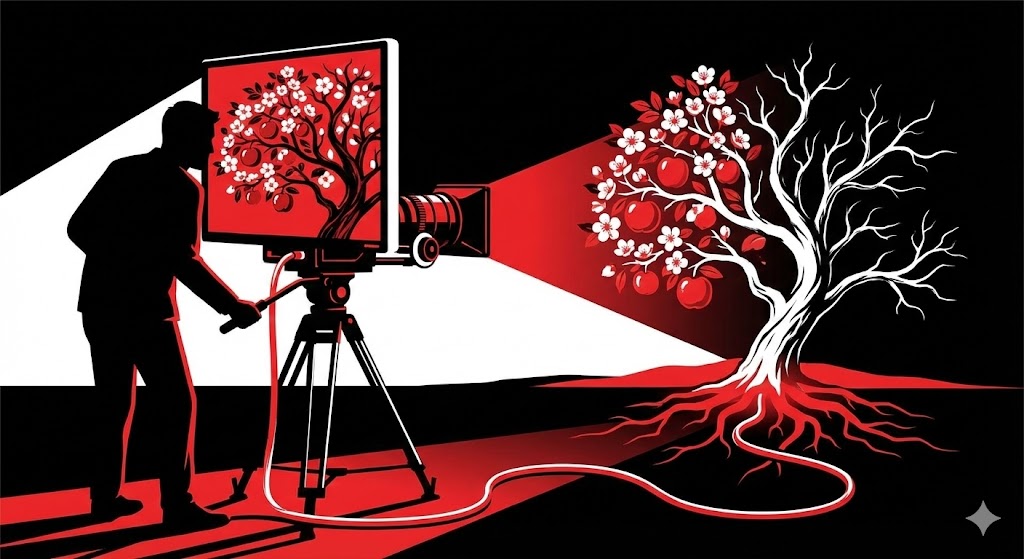
In the beginning, cinema was a mirror facing the world; a tool for seeing and believing. When the Lumière brothers’ camera stood before reality, its sole duty was “to record”: to record workers leaving the factory or a train pulling into the station. In that era, the camera’s mission was to capture any reality that existed outside the frame and independently of the filmmaker’s mind. But today, in the age of Artificial Intelligence, this mirror has stepped out of the frame and no longer just reflects it creates the world itself.
در آغاز، سینما آینهای بود در برابر جهان؛ ابزاری برای دیدن و باور کردن. زمانی که دوربین برادران لومیر در برابر واقعیت میایستاد، تنها وظیفهاش «ثبت» بود: ثبت کارگرانی که از کارخانه خارج میشوند یا قطاری که به ایستگاه وارد میشود. در آن دوران، رسالت دوربین ضبط هر واقعیتی بود که بیرون از قاب و مستقل از ذهن فیلمساز وجود داشت. اما امروز، در عصر هوش مصنوعی، این آینه از قاب بیرون آمده و دیگر بازتابدهنده نیست، بلکه خودْ جهان را میسازد.
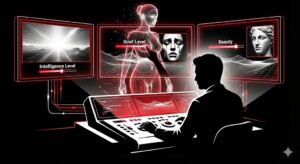
We are now faced with the emergence of hyperreality and a world without an “outside” that has never been recorded: faces that have never lived and places that have never physically existed. Nevertheless, we believe them, because “seeing” is always easier than “knowing.” In this new world, reality has not been lost; it has been multiplied. We are confronted with thousands of faces, thousands of images, and thousands of simultaneous truths. Artificial Intelligence here is not merely a technological tool, but the manifestation of humanity’s deepest desire: the desire to create a world that has no “outside.” A world in which the image becomes independent of its creator (nature/reality); an image that claims to be more real than reality, but for precisely that reason, is empty of it.
ما اکنون با ظهور فرا واقعیت و جهانی بدون بیرون روبرو هستیم که هرگز ثبت نشدهاند؛ چهرههایی که هرگز نزیستهاند و مکانهایی که هرگز وجود خارجی نداشتهاند. با این حال، ما آنها را باور میکنیم، چرا که «دیدن» همواره آسانتر از «دانستن» است. در این جهانِ تازه، واقعیت گم نشده، بلکه تکثیر شده است. ما با هزاران چهره، هزاران تصویر و هزاران حقیقت همزمان مواجهیم. هوش مصنوعی در اینجا تنها یک ابزار فناورانه نیست، بلکه تجلیِ عمیقترین میل انسان است: میل به خلق جهانی که هیچ «بیرونی» ندارد. جهانی که در آن، تصویر از خالق خود (طبیعت/واقعیت) بینیاز میشود؛ تصویری که ادعا میکند واقعیتر از واقعیت است، اما درست به همین دلیل، تهی از آن است.
The Temptation of Reconstruction and the Danger of Forgetting Lived Experience In this context, cinema stands before a great temptation: the temptation to “reconstruct” reality instead of “living” in it. The main danger is that the filmmaker, instead of searching for and discovering the world, turns into a mere producer. He creates a clean, beautiful, and believable world, but this world is devoid of truth. In this “hyperreal” land, reality is born from data and calculations that, with cold and ruthless precision, turn fantasies into fact.
وسوسهی بازسازی و خطر فراموشی تجربه زیسته در این بستروجود دارد ، سینما در برابر وسوسهای عظیم ایستاده است: وسوسهٔ «بازسازی» واقعیت بهجای «زیستن» در آن. خطر اصلی آن است که فیلمسازها ، به جای جستوجوی جهان و کشف آن، به تولیدکننده صرف تبدیل شود. او جهانی تمیز، زیبا و قابلباور خلق میکند، اما این جهان بیحقیقت است. در این سرزمینِ «هایپررئال» (فراواقعیت)، واقعیت، زادهٔ دادهها و محاسباتی هستند که با سردی و دقتی بیرحمانه، خیالها را به امر واقع بدل میکنند.

The Dictatorship of Algorithms The shift in the center of power resulting from these changes is not merely aesthetic; it is also political. In this new world, power resides not in classic institutions and governments, but in hidden networks of data and language models. Today, power is concealed within algorithms; a new order of control that flows in the depths of the data.
When machines decide what we see, what we hear, and ultimately what we believe, the camera is no longer a tool for discovering truth. The camera turns into a link in the chain of producing “pre-engineered” meanings. And it makes each person’s version of the truth different from another’s.
دیکتاتوری الگوریتمها تغییر کانون قدرت این تحولات است، تنها زیباییشناختی نیست، بلکه سیاسی نیز هست. در این جهان جدید، قدرت نه در نهادها و حکومتهای کلاسیک، بلکه در شبکههایی پنهان از داده و مدلهای زبانی نهفته است. امروز قدرت درون الگوریتمها پنهان شده است؛ نظمی تازه از کنترل که در ژرفای داده جریان دارد. وقتی ماشینها تصمیم میگیرند چه ببینیم، چه بشنویم و در نهایت چه باور کنیم، دوربین دیگر ابزار کشف حقیقت نیست. دوربین به حلقهای در زنجیرهٔ تولیدِ معناهای «ازپیشمهندسیشده» تبدیل میشود. و نسخه حقیقت هر فرد را با دیگری متفاوت میسازد .
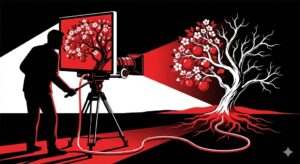
Entry into this ََAI era puts terrifying questions before us: If every image can be fabricated, can we still trust the image as a document of reality? Can we still refer to images and videos as evidence of guilt or innocence in courts of law? In such a world, the great danger is not “image forgery,” but the “disappearance of trust in the image.” The ultimate risk is that cinema, which was once the standard-bearer for the search for truth, will be buried beneath the multitude of digital simulations and illusions, and the boundary between the real and the fabricated will vanish forever.
ورود به این عصر، پرسشهای هولناکی را پیش روی ما میگذارد: اگر هر تصویری میتواند ساختگی باشد، آیا هنوز میتوان به تصویر بهعنوان سند واقعیت اعتماد کرد؟ آیا همچنان میتوانیم در دادگاهها از تصاویر و ویدئوها بهعنوان مدرک جرم یا بیگناهی یاد کنیم؟ در چنین جهانی، خطر بزرگ «جعل تصویر» نیست، بلکه «ازمیانرفتنِ اعتماد به تصویر» است. خطر نهایی این است که سینمای ، که روزگاری پرچمدار جستوجوی حقیقت بود، در میان انبوه شبیهسازیها و توهمات دیجیتال دفن شود و مرز میان امر واقع و امر ساختگی برای همیشه از میان برود.
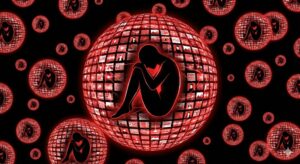
In such a world, the filmmaker can no longer merely record; they must become a question. They must show how reality is constructed, how the image becomes a tool of power, and how truth is hidden within the layers of representation. In this environment, documentary cinema, if it is to endure, must become more philosophical—not in the sense of complex theories, but in the courage to ask fundamental questions: What are we seeing? Who made it? And why should we believe it?
در چنین جهانی، سینماگر دیگر نمیتواند تنها به ثبت بسنده کند؛ باید به پرسش بدل شود. باید نشان دهد چگونه واقعیت ساخته میشود، چگونه تصویر به ابزار قدرت بدل میگردد، و چگونه حقیقت در لایههای بازنمایی پنهان میشود.در این میان سینما مستند ، اگر بخواهد بماند، باید فلسفیتر شود نه در معناهای پیچیدهٔ نظری، بلکه در شجاعتِ پرسیدنِ پرسشهای بنیادین: چه چیزی را میبینیم؟ چه کسی آن را ساخته؟ و چرا باید باور کنیم ؟ .